The single biggest gap between a generic vulnerability feed and an actual vulnerability management program is asset context. Every feed on earth can tell you a CVE was published today. Almost none of them can tell you, without a separate and expensive add on, whether that CVE touches anything you run.
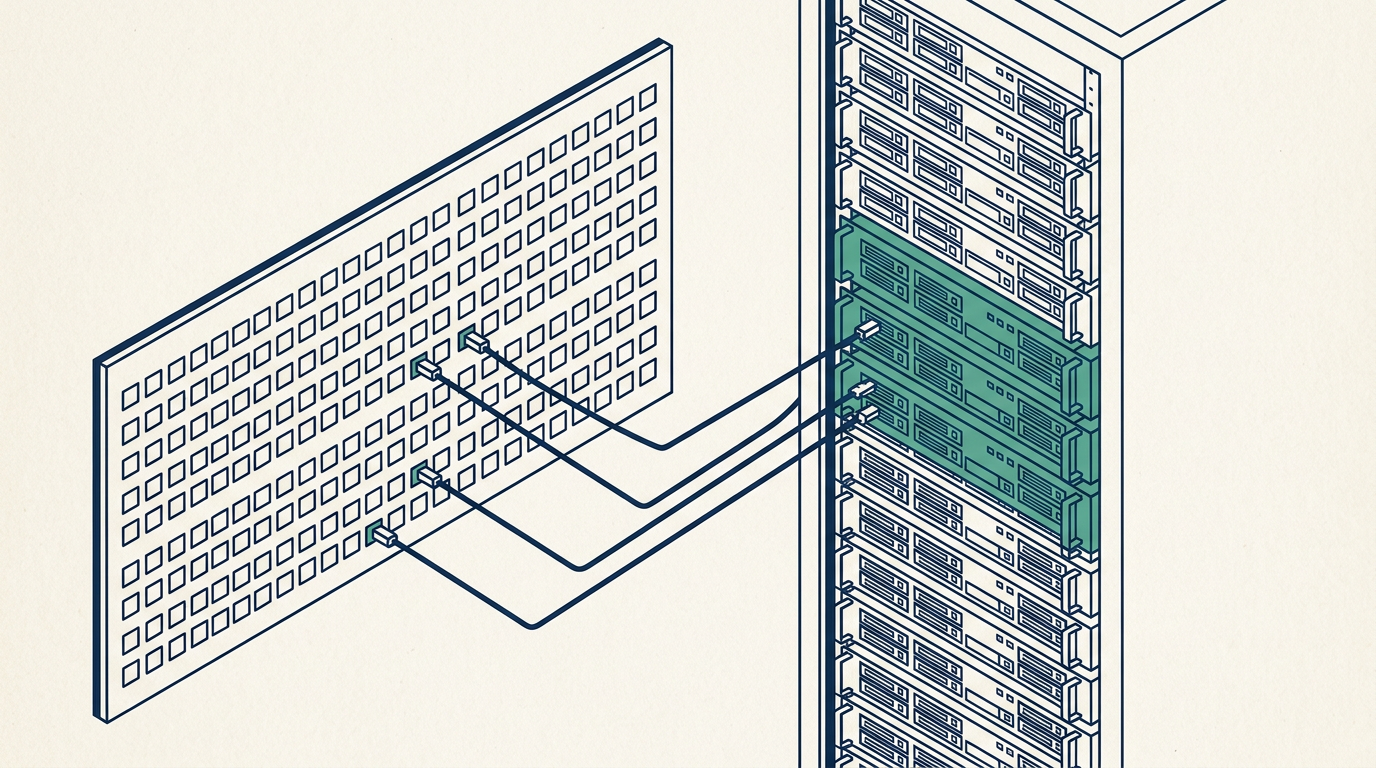
I keep a small, deliberately scoped asset inventory, 19 assets across my own infrastructure and the systems I actively maintain for clients, each one tagged with what software and versions it runs. Every time a new vulnerability lands in the database, it gets checked against that inventory. The result is a table of asset to vulnerability matches, 887 of them currently, that is the actual working list, not 194,000 CVEs, not even the smaller set that scores high on EPSS, but the specific intersection of what is dangerous and what is mine.
The scale difference is the entire point. Most of the vulnerability feed is irrelevant to me on any given day, not because the data is bad, but because I do not run most of the software it describes. The asset match is what separates threat intelligence as a hobby from threat intelligence as an operational practice. It is also, not coincidentally, the exact workflow every vulnerability management role I have ever interviewed for actually cares about: not can you read a CVE, but can you tell someone whether it matters to their environment and how fast.
Keeping the asset inventory small and accurate turned out to matter more than keeping it comprehensive. A bloated asset list with stale version data produces false matches that erode trust in the system faster than a small accurate list with gaps. I would rather have 19 assets I trust completely than 200 I have to double check every time a match fires.
This is also where the platform stops being a research tool and starts being something I would defend in front of an auditor. A CVE with no asset match is interesting. A CVE with an asset match is a ticket.