Field notes
Build logs from the systems I actually run. Ingestion, scoring, enrichment, asset matching, and what production teaches that a lab cannot.

Why I Built My Own Threat Intel Platform Instead of Paying for One
Every commercial threat intel feed I have used shares the same flaw: it tells you a CVE exists, not whether it matters to you. You get a CVSS score, a vendor advisory, maybe an EPSS number if you pay…
Ingesting 24 Feeds Without Drowning in Duplicate Data
The platform runs 24 separate ingestion jobs on their own schedules, CISA KEV, VulnCheck KEV, NVD, GitHub Advisories, ThreatFox, MalwareBazaar, URLhaus, SSLBL, Spamhaus, OTX, EPSS, CWE mappings,…
Scoring 194,000 Vulnerabilities by What Actually Matters
CVSS tells you how bad a vulnerability could be in theory. It does not tell you how likely anyone is to actually use it against you. Those are different questions, and conflating them is how security…
Mapping CVEs to MITRE ATT&CK and CWE Automatically
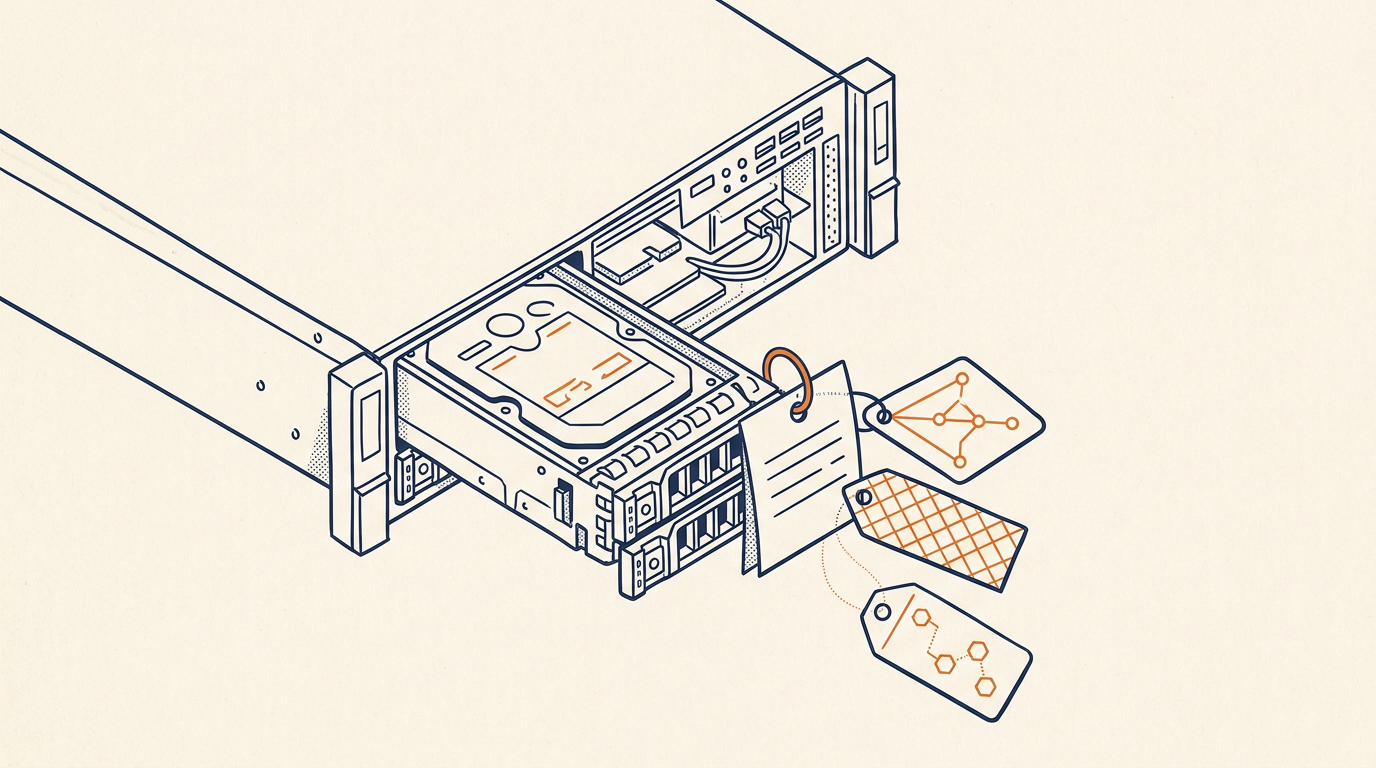
A CVE number is an index, not an explanation. It tells you that something was assigned an identifier, not what kind of flaw it is or how an attacker actually uses it. Two layers of enrichment turn…
From "a CVE Exists" to "This CVE Is on My Network"
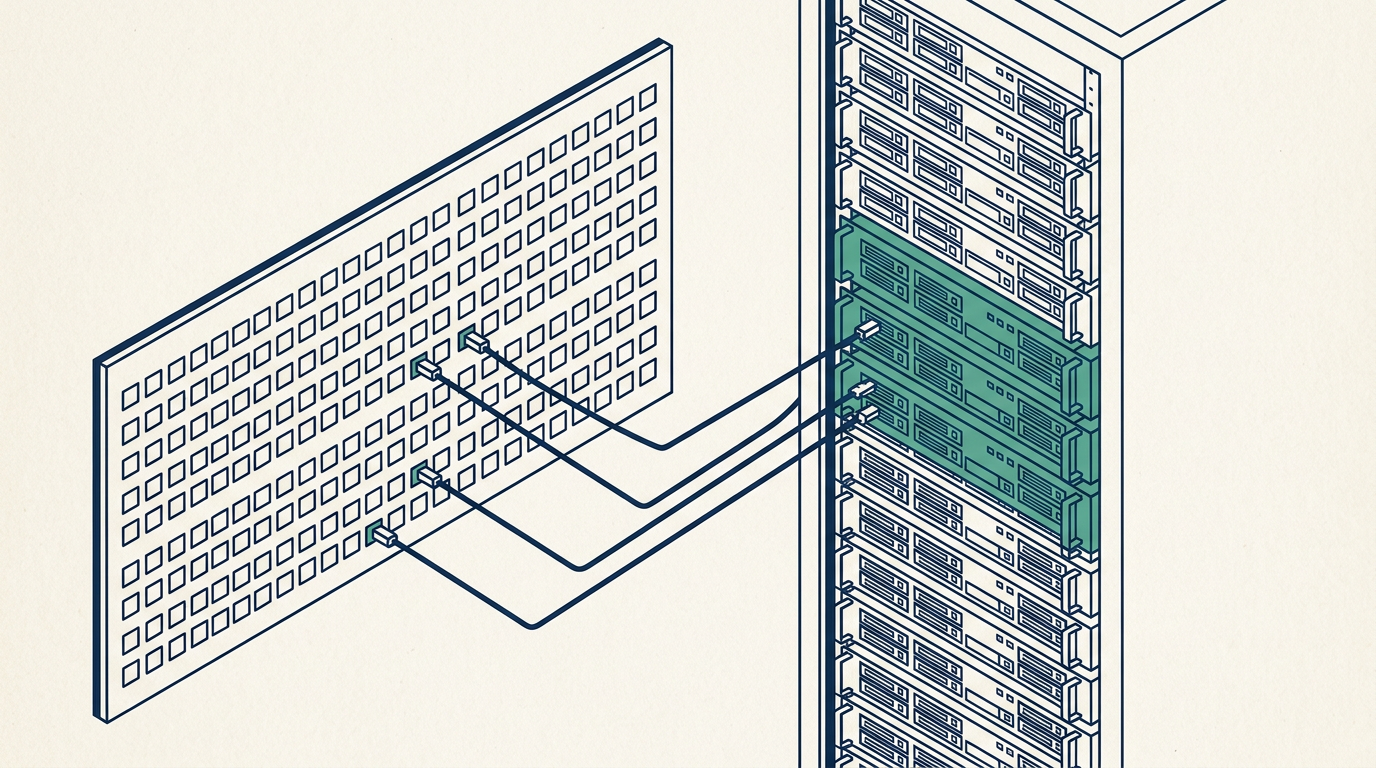
The single biggest gap between a generic vulnerability feed and an actual vulnerability management program is asset context. Every feed on earth can tell you a CVE was published today. Almost none of…
Why Most Vulnerability Alerts Are Noise
The first version of the alert engine told me about everything. Every new CVE that matched an asset, every KEV catalog addition, every EPSS score crossing a threshold. Within a week I had stopped…
3,977 Exploited CVEs the Government Feed Misses
CISA's Known Exploited Vulnerabilities catalog is the closest thing the industry has to an authoritative list of what is actually being used in attacks, and most vulnerability management programs,…
Building an Attack Map From My Own Honeypot Traffic
I built a world map that plots where honeypot traffic originates against where my own perimeter gets probed, an SVG rendering with no external mapping library, fed directly from a table of honeypot…
SBOM Import and the Supply Chain Blind Spot
Every vulnerability pipeline I had built up to this point assumed I already knew what software I was running. That assumption breaks down fast once you account for dependencies, the libraries your…
A Year Running This in Production: What I'd Do Differently
The platform now tracks 194,000 vulnerabilities, 183,000 of them scored against EPSS, matches 887 of them against a 19 asset inventory, and has sent 5,679 priority alerts that actually changed what I…