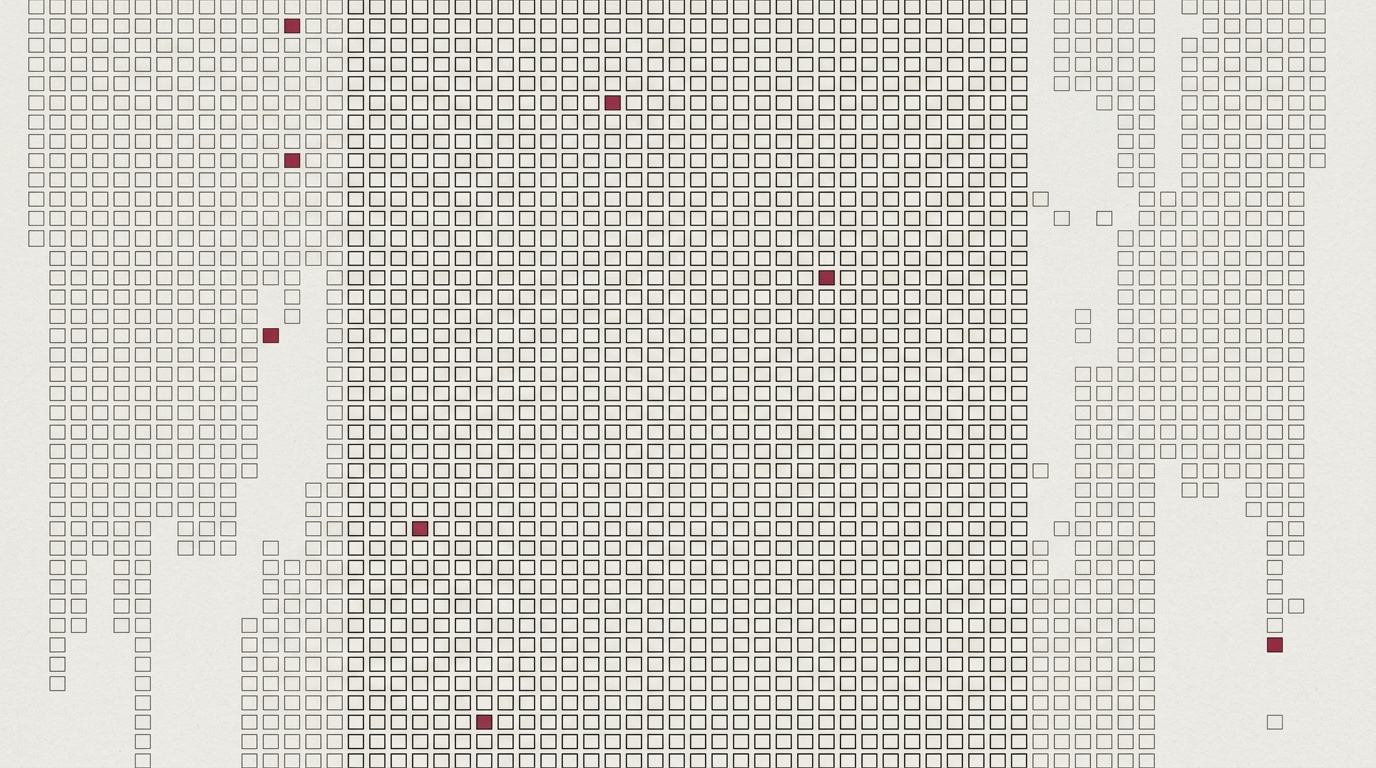
The first version of the alert engine told me about everything. Every new CVE that matched an asset, every KEV catalog addition, every EPSS score crossing a threshold. Within a week I had stopped reading it, which is the exact failure mode every over alerting system eventually hits. An alert channel nobody reads is worse than no alert channel, because it creates the appearance of coverage without the substance.
The rebuilt version runs on one rule: only interrupt for something that is both new and exploitable on something I own. New means it was not already in the system yesterday. Exploitable means it is in the KEV catalog, scores high on EPSS, or has a confirmed public exploit, not theoretical severity. On something I own means it passed the asset match from the last post. All three conditions, not any one of them. That filter has produced 5,679 priority alerts over the life of the system, each one something that genuinely changed my understanding of my own exposure that day.
Deduplication turned out to be as important as the filtering logic itself. A vulnerability that stays newsworthy for a week should not generate seven alerts just because seven different feeds mentioned it on seven different days. The engine tracks what it has already surfaced and only re-alerts on a meaningful state change, a CVE moving from theoretical to confirmed exploited, for example, not a re-publication of the same fact.
The deeper lesson is that an alerting system is a trust budget, not a feature list. Every alert you send that turns out not to matter spends down the trust that the next one will. I would rather miss something occasionally and catch it on the next scheduled review than train myself to skim past a channel that cries wolf. That is a harder discipline to build into software than it sounds, because the instinct when you are worried about missing something is always to add one more condition that triggers an alert, and every one of those additions is a withdrawal from the same trust budget.